Jelly Cat: The Sweet Handwritten Font for Creative Projects
There’s a particular warmth that a handwritten font brings to a design. It feels personal, approachable, and human. Jelly Cat is a prime example of this. As a sweet and friendly handwritten font, it captures the essence of casual, flowing script without sacrificing legibility. Its natural curves and slight imperfections give it a unique character that feels genuinely crafted, not generated. This isn't just another script typeface; it’s a tool for adding personality and a touch of whimsy to your work.
Visual Personality and Style
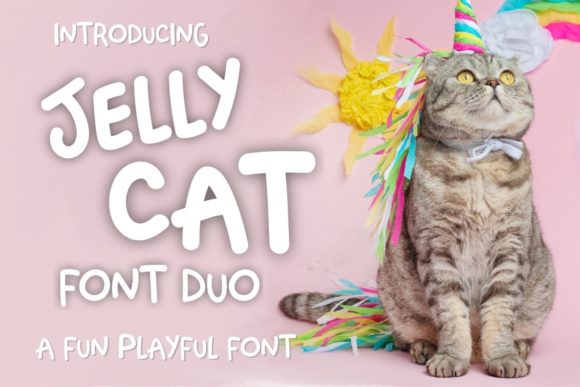
At first glance, Jelly Cat presents a soft, rounded aesthetic. The letterforms are connected with a smooth, flowing baseline, mimicking the natural movement of a pen or marker. The strokes vary gently, avoiding the harsh uniformity of some digital fonts, which contributes to its authentic, handmade feel. This visual personality makes it incredibly versatile. It’s playful enough for children’s products but sophisticated enough for boutique branding when used thoughtfully. The overall appeal lies in its ability to convey friendliness and approachability, making it an excellent choice for projects aiming to build a personal connection with their audience.
Unlike a stark sans serif font or a formal serif font, Jelly Cat operates in the realm of expressive typography. It’s a display font by nature, meaning it shines brightest in headlines, logos, and short bursts of text where its personality can truly stand out. Think of it as the conversational tone in your design toolkit—the font that says, “We’re friendly, creative, and here to connect.”
Where Jelly Cat Truly Shines
The true test of any creative font is its application. Jelly Cat’s sweet and friendly demeanor makes it a natural fit for a wide array of projects. In brand identity, it can be the cornerstone of a logo for a bakery, a craft studio, a boutique clothing line, or a lifestyle blog. It instantly sets a tone that is welcoming and authentic. For entrepreneurs and small business owners, this font can help a brand feel less corporate and more community-oriented.
For editorial design and publishing, consider Jelly Cat for chapter titles, pull quotes, or magazine headers. It adds a creative flair to layouts without overwhelming the body text, which should typically be set in a more neutral, highly readable typeface. In the digital space, it’s perfect for social media graphics, website banners, and email headers. Its friendly vibe can increase engagement by making content feel more personal and less like a broadcast. Packaging design is another area where it excels; imagine it on artisanal food labels, cosmetic product tags, or gift wrap—it adds that handcrafted touch consumers love.
Even in personal projects, like creating custom invitations, greeting cards, or scrapbook elements, Jelly Cat provides a professional-quality design asset that elevates your creations. Its utility spans from commercial applications to heartfelt, hobbyist endeavors.
Practical Guidance for Using This Font
Choosing the right font is a strategic decision. Here’s how to evaluate and implement Jelly Cat effectively in your projects.
Evaluating Project Fit
First, assess the tone of your project. Is it aiming for playful, youthful, warm, and creative? If so, Jelly Cat is a strong candidate. If the project demands seriousness, authority, or ultra-modern minimalism, you might pair it sparingly with a more neutral typeface. Always consider your audience. For adults aged 20-50, this font works well when used for emphasis rather than for long paragraphs of text, ensuring readability remains high.
Mastering Font Pairing
The key to using a handwritten font like Jelly Cat successfully is pairing. It creates a beautiful contrast when set against a clean sans serif font for body copy. For example, use Jelly Cat for a headline and pair it with a font like Montserrat or Lato for the supporting text. This combination maintains visual hierarchy—the Jelly Cat headline draws the eye, while the sans serif body ensures effortless reading. Avoid pairing it with another highly decorative script font, as this can create visual chaos and reduce clarity.
Exploring Included Styles and Licensing
Before purchasing or downloading any premium font, review the full package. Does the Jelly Cat font family include multiple weights, like Regular and Bold? Are there stylistic alternates or additional glyphs that can add variety? These features increase the font’s flexibility across different contexts. Crucially, verify the licensing. If you’re using it for a client project, merchandise, or a commercial website, ensure you have the correct commercial font license. This protects you legally and supports the type designer’s work.
Readability and Hierarchy
Use Jelly Cat strategically to build visual hierarchy. Its ideal role is for short, impactful text elements: a brand name, a tagline, a call-to-action button, or a section title. For body text, especially at smaller sizes on screens, opt for a simpler typeface. Test the font at various sizes and on different backgrounds. Does it remain clear when placed over an image? Is it still legible when printed small on a business card? These practical tests are essential for maintaining professionalism and ensuring your message is communicated clearly.
Building Brand Recognition and Consistency
When integrated thoughtfully into a brand identity, Jelly Cat can become a recognizable asset. Its consistent use across touchpoints—from your website to your packaging to your social media—reinforces brand personality. It helps create a cohesive experience that feels intentional and crafted. This consistency builds trust and makes your brand more memorable. However, balance is key. Overusing any distinctive font can diminish its impact and potentially date your designs. Use it as a highlighter, not the entire color palette.
In the landscape of modern typography, Jelly Cat stands out as a versatile and charming option. It’s more than just a font; it’s a design tool that can soften edges, invite interaction, and inject genuine warmth into a project. Whether you’re a designer crafting a brand identity, a marketer creating engaging social content, or a crafter personalizing a gift, this sweet and friendly handwritten font offers a world of creative possibility. The only limit, as they say, is your imagination.