The Organic Allure of Skinny Flower Typography
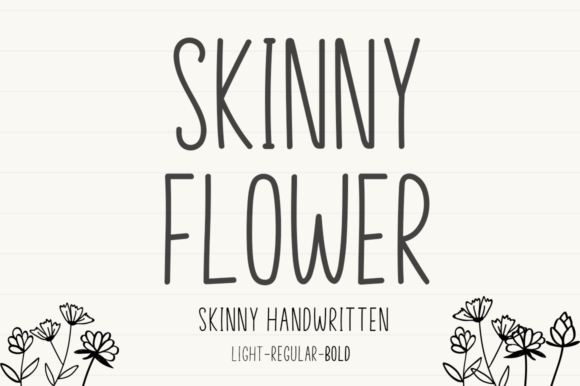
In the crowded landscape of modern typography, finding a typeface that balances distinctiveness with versatility is a rare win. Skinny Flower is not just another script font; it is a unique themed handwritten font designed to bridge the gap between casual elegance and artistic expression. When you first encounter Skinny Flower, you notice the contradiction it holds: it is simple in its line work, yet it delivers a strong visual impact. This duality is what makes it a powerful design asset. It manages to look organic and human without sacrificing the legibility required for professional brand identity work.
Visually, Skinny Flower is characterized by its delicate, flowing strokes and a vertical orientation that keeps it feeling structured rather than chaotic. Unlike heavy, scratchy grunge fonts, this creative font offers a clean aesthetic. The letterforms have a rhythmic flow, mimicking the natural movement of a hand holding a fine-tip pen. This creates a sense of intimacy and authenticity that digital, geometric fonts often lack. It captures a "modern calligraphy" vibe—refined enough for a wedding invitation, yet bold enough for a lifestyle brand logo. The personality of the font is approachable, romantic, and inherently artistic, making it a premium font choice for projects that need to connect emotionally with the audience.
Strategic Applications for Brand Identity and Marketing
For entrepreneurs and small business owners, a font is more than just a collection of letters; it is a voice. Skinny Flower excels in logo design for niche markets. If you are building a brand in the wellness, beauty, floral, or artisanal food sectors, this font instantly communicates a handcrafted quality. Imagine a coffee shop menu or a bakery logo using Skinny Flower—it immediately suggests care, ingredients, and a personal touch. It helps in building a brand identity that feels bespoke rather than mass-produced.
In the realm of marketing, visual hierarchy is crucial. Skinny Flower works best as a headline or accent font. In social media graphics, where you have split seconds to grab attention, the unique texture of this font stops the scroll. It pairs exceptionally well with clean sans serif fonts. For example, using Skinny Flower for a quote overlay on an Instagram image, paired with a minimalist sans serif for the body text, creates a balanced and professional layout. This contrast is a fundamental principle of good font pairing. The handwritten style adds personality, while the sans serif ensures the supporting information remains legible and grounded.
Packaging, Editorial, and Digital Design
When it comes to packaging design, the tactile feel of the product needs to match the visual representation. Skinny Flower is an excellent choice for labels on candles, cosmetics, or boutique clothing. It elevates the perceived value of the product, transforming a simple jar into a gift-worthy item. However, a practical tip for designers: ensure sufficient contrast between the font color and the background, as the thinner strokes of a handwritten font can sometimes get lost on busy patterns.
In editorial design, such as magazine headers or blog post titles, Skinny Flower can break the monotony of standard text. It works particularly well for lifestyle blogs, recipe headers, or travel journals. It adds a layer of storytelling before the reader even engages with the content. For web design, use it sparingly. While it looks stunning in hero images or section headers, long paragraphs set in Skinny Flower will tire the reader's eyes. It is a display font meant for impact, not for dense body copy. Stick to a readable serif font or sans serif for the main text to maintain accessibility and user experience.
Practical Guidance for Implementation
Adopting a new font into your toolkit requires more than just downloading a file; it requires testing. Before finalizing Skinny Flower for a major project, test it across different mediums. How does it look on a mobile screen versus a printed brochure? Because it is a handwritten font, it can behave differently at small sizes. Check the kerning (the space between letters) to ensure words don’t look too cramped or too spaced out.
Furthermore, consider the licensing. If you are using Skinny Flower for commercial use—such as selling t-shirts with designs created using the font or using it for a client's logo—ensure you have the correct license. Most commercial font licenses are clear, but it is the responsibility of the designer or business owner to verify this. Treating your typography as a professional asset protects your business and respects the creators of the typeface.
Finally, think about consistency. If Skinny Flower becomes a central part of your visual language, use it consistently across all platforms. From your email newsletters to your business cards, the repetition of this unique typeface builds recognition. Over time, your audience will associate the specific curves and style of Skinny Flower with your brand's voice. It is a subtle but effective way to build brand equity.
The Value of Artistic Typography
In a digital world that often favors the sterile and the geometric, Skinny Flower offers a breath of fresh air. It reminds us that design can be human, organic, and expressive. It is a creative font that doesn't just look good; it tells a story. Whether you are a crafter designing invitations, a marketer building a campaign, or a publisher looking for that perfect header, Skinny Flower provides the visual flair needed to make your work stand out. It proves that you don't need complex effects to make an impact—sometimes, all you need is a single, well-designed line.