January: A Handwritten Font for Timeless Design
There’s a certain feeling that comes with the start of a new year. It’s a mix of clarity, elegance, and potential. The January font captures that essence perfectly. It’s not just another script font; it’s a premium font with a distinct personality that blends the warmth of handwriting with the sophistication of a carefully crafted typeface. If you’re tired of generic, overused fonts and want something that feels both personal and professional, January is a design asset worth exploring.
Understanding the Visual Character of January
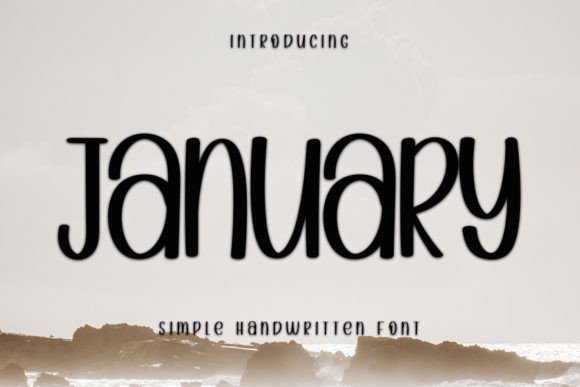
At its core, January is a handwritten font, but that description only scratches the surface. Its letterforms are characterized by smooth, flowing connections and an elegant baseline. Unlike a chaotic, rough-hewn script, January maintains a remarkable consistency. Each character is designed with a delicate balance, featuring subtle variations in stroke width that mimic the pressure of a real pen. This gives it an organic, human touch without sacrificing legibility. The overall style is clean and modern, making it a versatile choice that avoids feeling overly casual or dated. It’s the kind of creative font that feels timeless from the first glance.
The beauty of January lies in its versatility within its own style. It often comes as a family with different weights or styles—perhaps a regular, a bold, or even a version with alternate characters. This allows you to use it for more than just a headline. You can create a visual hierarchy within a single project, using a lighter weight for subheadings and a bolder weight for impactful quotes or calls to action. Its personality is approachable yet refined, making it an excellent tool for building a brand identity that feels both authentic and polished.
Where January Truly Shines: Practical Applications
Choosing the right font is about matching its personality to your project’s goals. January’s elegant, handwritten style makes it particularly effective in specific contexts where you want to convey warmth, authenticity, and a touch of class.
For logo design and brand identity, January can be transformative. It’s perfect for businesses that want to project a human-centric, boutique feel. Think artisan bakeries, independent bookstores, coaching services, wedding planners, or skincare brands. A logo set in January immediately suggests care, personal attention, and quality. It works beautifully for brand names and short taglines, helping to create a memorable and recognizable mark. When paired with a clean sans serif font for body text, it establishes a beautiful contrast that enhances readability and visual interest.
In editorial design and publishing, January adds a personal touch to magazines, book covers, and blog graphics. Use it for chapter titles, pull quotes, or the main title on a lifestyle blog. It injects personality into layouts without overwhelming the content. For packaging design, especially for products like cosmetics, gourmet foods, or handmade crafts, January can elevate the entire unboxing experience. It communicates that the product inside is special and thoughtfully made.
The digital world is another natural home for this font. It’s a standout choice for social media graphics, where grabbing attention quickly is key. Use it for Instagram quotes, Facebook ads, or Pinterest pins to create a cohesive and stylish look. In web design, while it’s not a display font for long paragraphs, it’s excellent for hero sections, navigation links, or as a stylized element in headers to guide the user’s eye. Just ensure it’s used in a size and color that maintains strong readability on screen.
Making January Work for You: A Practical Guide
Integrating a new font into your workflow requires more than just liking how it looks. Here’s how to approach using January effectively.
Evaluate the Project Fit. Before you commit, ask: Does this font’s personality align with my message? January is ideal for projects that value elegance and a personal connection. It might not be the best fit for a corporate financial report or a technical manual, but it’s perfect for a wedding invitation, a creative portfolio, or a lifestyle brand’s website.
Master the Art of Font Pairing. January rarely works well alone in a complex design. Its strength is in headlines and accents. Pair it with a sturdy, neutral sans serif font like Lato, Open Sans, or Montserrat for body copy. This combination ensures your text is easy to read while allowing January’s elegant style to stand out. For a more traditional look, you could pair it with a classic serif font, but test carefully to avoid a clash of personalities.
Test for Readability and Hierarchy. Always test your chosen font at the actual size it will be used. Can you read it clearly on a mobile screen? Does it create a clear distinction between headings and body text? Use January to establish a clear visual hierarchy. Let it guide the viewer’s attention to the most important information first.
Review the Full Package. A quality commercial font like January often includes more than just basic letters. Check for features like ligatures (special connected letter pairs), stylistic alternates (different versions of letters like ‘a’ or ‘g’), and extended language support. These details can add a unique, professional flair to your designs.
Understand the License. If you’re using January for commercial projects—for a client, a product you sell, or a monetized blog—ensure you have the correct license. A premium font is an investment, and respecting the license protects you legally and supports the type designers who created the work.
In the crowded landscape of modern typography, January stands out as a thoughtfully designed tool. It offers the warmth of a handwritten font with the consistency required for professional use. By understanding its character and applying it strategically, you can leverage January to create designs that are not only beautiful but also effective in connecting with your audience. It’s a font that doesn’t just spell words—it helps tell a story.