Whimsy Wiggle: A Playful Retro Font for Creative Projects
Capturing a 70s Vibe with Modern Versatility
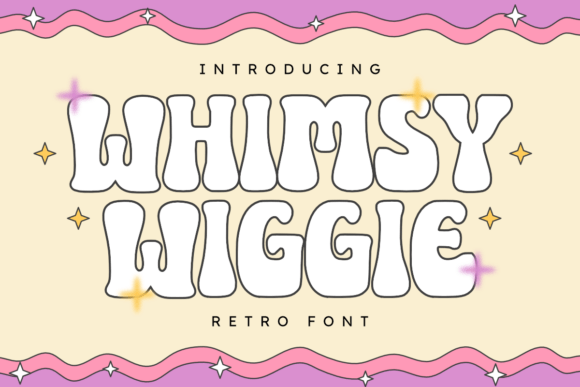
There's something undeniably joyful about a typeface that doesn't take itself too seriously. Whimsy Wiggle is exactly that—a playful, retro display font that immediately brings to mind the groovy, free-spirited aesthetic of 1970s design. Its defining feature is the wavy, undulating edges of each character, which give text a sense of movement and lighthearted energy. This isn't a font for legal documents or dense body copy. Instead, it's a creative tool designed to inject personality, nostalgia, and a cheerful vibe into your projects. The overall appeal lies in its ability to evoke a specific, positive emotional response, making it a powerful asset for anyone looking to stand out.
Visually, Whimsy Wiggle sits at a fascinating intersection. It carries the bold, condensed shapes common to many vintage display typefaces but softens them with its signature wiggly outlines. This combination creates a unique personality: it's confident and attention-grabbing yet friendly and approachable. Think of it as the typographic equivalent of a smile. The font's style avoids the sharp edges of modern geometric designs, instead embracing organic curves that feel handcrafted and authentic. For designers and creators, this means you're not just choosing a set of letters; you're adopting a distinct mood and era that can instantly set the tone for your entire project.
Where Does Whimsy Wiggle Shine? Ideal Applications
The true value of any premium font is measured by its utility. Whimsy Wiggle excels in contexts where fun, creativity, and nostalgia are the goals. Its nature as a display font means it's best used for headlines, logos, and short bursts of impactful text rather than long paragraphs. For logo design, it can instantly communicate a brand that is playful, creative, and perhaps a bit retro-inspired. Imagine a boutique ice cream shop, a vintage record store, or a children's entertainment service—Whimsy Wiggle could become the cornerstone of their brand identity.
Beyond logos, this creative font finds a natural home in event promotion. Music festival posters, fair flyers, and cheerful event announcements benefit immensely from its energetic and inviting character. In packaging design, particularly for products targeting a younger demographic or those with a whimsical theme—like craft sodas, artisanal sweets, or fun stationery—the font can make packaging pop on a crowded shelf. For editorial design, think magazine pull-quotes, chapter titles in a lighthearted book, or headers in a retro-themed publication. Its style ensures these elements stand out without overwhelming the page.
Digital spaces are equally receptive. Social media graphics thrive on eye-catching visuals, and using Whimsy Wiggle for a sale announcement, a contest, or a celebratory post can significantly boost engagement. It translates well to web design for specific applications like a website hero banner, a call-to-action button, or a special landing page section. Even in personal projects, from birthday invitations to scrapbook layouts, this handwritten font cousin adds a layer of charm and personality that generic fonts simply can't match.
Practical Considerations for Using a Whimsical Typeface
Choosing a font like Whimsy Wiggle requires a bit of strategic thinking. First, always evaluate the project fit. Its strong retro and playful personality will clash in serious, corporate, or minimalist contexts. It's perfect for a yoga festival poster but likely wrong for a law firm's website. Before committing, test the font pairings. Because Whimsy Wiggle is so distinctive, it pairs best with neutral, clean companions. A simple sans serif font for body text or a straightforward serif font can provide excellent contrast, allowing the display font to shine without causing visual chaos. Avoid pairing it with other highly decorative script fonts or handwritten fonts, as this often leads to clutter.
Next, review the included styles. Does the font family include multiple weights or stylistic alternates? Having a bold or italic version can add useful flexibility within your design system. Most importantly, consider readability. Test the font at the size you intend to use it. While it's designed for impact, its wavy edges can reduce legibility at very small sizes or in long strings of text. Use it for headlines where each word can be appreciated, not for body copy where ease of reading is paramount.
Finally, pay attention to commercial licensing. If you're using Whimsy Wiggle for a client project, merchandise, or any commercial product, ensure your license covers that use. Reputable font foundries and marketplaces are clear about their licensing terms. Investing in a proper commercial font license is a mark of professionalism and protects both you and your client. This typeface is more than a design asset; it's a piece of intellectual property, and using it correctly is part of responsible design practice.
In the world of modern typography, having a diverse toolkit is key. Whimsy Wiggle isn't a workhorse for every job, but when called upon, it delivers a specific, high-impact result that is difficult to replicate. It reminds us that font pairing and selection are about matching tone and audience. By understanding its strengths—its retro charm, its joyful wobble, and its display-focused clarity—you can deploy it effectively to create designs that are not only seen but felt. It’s a fantastic example of how a single, well-crafted font can become the heart of a visual story, connecting with audiences on an emotional level and making any project a little more memorable.