Kids Bubble: The Playful Typeface for Youthful Projects
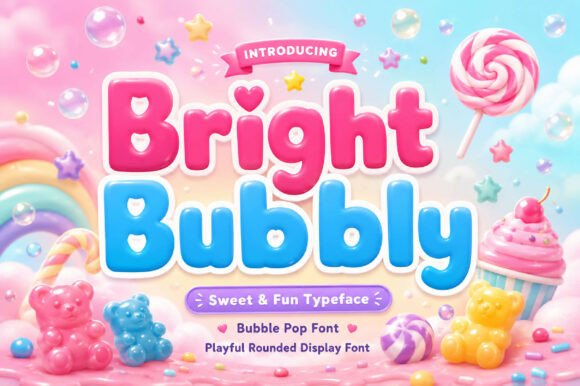
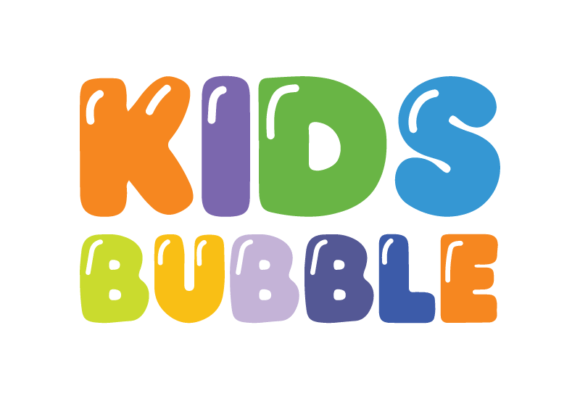
Capturing the authentic energy of childhood in design can be a challenge. You need a typeface that feels spontaneous and joyful, not stiff or overly polished. That’s where the Kids Bubble Font steps in. It’s a display font designed to mimic the uninhibited, happy scribbles you’d find in a child’s drawing. Each character has a soft, rounded quality—a visual “bubble” effect—that brings immediate warmth and personality to any layout.
This isn’t just another novelty typeface. As a premium font, Kids Bubble is engineered with attention to detail, ensuring that its playful aesthetic doesn’t compromise its functionality. For designers, marketers, and content creators, it offers a reliable way to inject a lighthearted essence into work targeting families, schools, and young audiences. Let’s explore how this creative font can elevate your next project.
Anatomy of Joy: Visual Characteristics and Personality
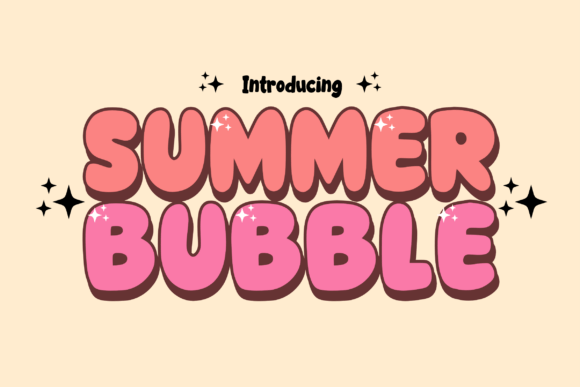
The visual strength of Kids Bubble lies in its simplicity and consistency. The letterforms are round, open, and slightly irregular, which mimics the natural variation of a child’s hand. This gives the typeface a human touch that rigid sans serif fonts often lack. The strokes are uniform in weight, contributing to that classic bubble-letter look, but with enough organic shape to avoid looking cartoonish or cheap.
From a modern typography perspective, the font strikes a balance. It’s whimsical without being chaotic. The x-height is generous, which aids in readability, especially at larger sizes where the font truly shines. It’s a handwritten font in spirit, but with the clarity needed for professional design assets. The overall appeal is one of optimism and approachability, making it an excellent tool for building a friendly brand identity.
Where Kids Bubble Truly Comes Alive
Choosing the right context is key. This font excels in environments where you want to communicate fun, creativity, and innocence. Think about the projects that require a gentle, engaging voice rather than a corporate one.
- Logo Design and Branding: For businesses like preschools, toy stores, pediatric clinics, or children’s party planners, Kids Bubble can form the core of a memorable logo design. It instantly tells customers who you serve.
- Packaging Design: On product packaging for kids’ snacks, crafts, or educational kits, this font helps the product stand out on the shelf. Its visual appeal can influence purchasing decisions by signaling that the product is child-friendly.
- Editorial and Publishing: In editorial design, consider it for chapter headings in children’s books, activity book titles, or magazine layouts aimed at parents. It adds a decorative touch that engages young readers.
- Digital and Social Media: For web design elements like banners or call-to-action buttons on family-oriented sites, or for creating eye-catching social media graphics, Kids Bubble adds personality. It works well for thumbnails, Instagram stories, and promotional posts for kid-centric events.
- Personal and Craft Projects: If you’re a crafter making birthday cards, scrapbook pages, or party invitations, this font is a perfect fit. It brings a handmade feel without the time commitment of hand-lettering every piece.
Making It Work: Practical Application and Pairing
Using a display font like Kids Bubble effectively requires some strategy. Its personality is strong, so overuse can overwhelm a design. Here’s how to integrate it thoughtfully.
Readability and Visual Hierarchy
First and foremost, prioritize readability. Kids Bubble is not designed for long paragraphs of body text. Its charm works best in headlines, subheadings, logos, or short bursts of text. Use it to create a strong entry point in your visual hierarchy, then pair it with a more neutral font for the supporting copy.
For instance, combine a bold headline in Kids Bubble with a clean, friendly sans serif font for descriptions or instructions. This pairing ensures the playful energy is present without sacrificing the clarity of your message. Avoid pairing it with an overly formal serif font, as the stylistic clash can feel disjointed.
Evaluating Fit and Testing
Not every project suits a playful typeface. Ask yourself: Does my audience appreciate a lighthearted tone? Is the subject matter appropriate for a youthful or whimsical style? If you’re designing for a serious financial institution, obviously not. But for a summer camp brochure or a kids’ app interface, it’s a strong candidate.
Always test the font in context. Mock up a headline on your website, place it on a sample social media post, or see how it looks in a logo concept. Check its legibility at different sizes and on various backgrounds. A good commercial font will include multiple styles or weights—explore if Kids Bubble offers variations that can add versatility, like a bold or italic version.
Font Pairing and Brand Consistency
Effective font pairing is about creating harmony. Kids Bubble pairs well with simple, geometric sans serifs or rounded sans serifs that echo its friendly curves. The goal is to let the display font do the talking for key elements while the secondary font supports it quietly.
For brand identity work, consistency is crucial. Once you choose Kids Bubble as part of your system, use it consistently across all touchpoints—from your website headers to your email newsletters and printed materials. This builds recognition. Document its usage rules (e.g., only for headlines, specific color treatments) to maintain a professional and cohesive look.
A Final Thought on Licensing and Value
When investing in a premium font, understand the licensing. Ensure the license covers your intended use, whether for personal projects, client work, or commercial products like merchandise. A clear license protects you and respects the creator’s work.
Kids Bubble is more than just letters on a page; it’s a design tool that communicates a specific feeling. Used wisely, it can transform a project from mundane to magical, connecting with audiences on an emotional level. It celebrates the creativity and spontaneity of youth, making it a valuable addition to any designer’s toolkit. Give it a try on your next family-focused project and watch it bring a smile.