Step Back in Time with a Contemporary Twist Using the Modern Vintage Font
The Anatomy of "Old School" Cool
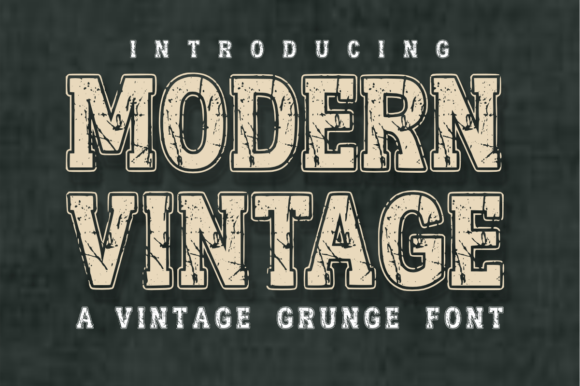
You know the feeling when you run your hand over a vintage varsity jacket, feeling the slightly raised, worn texture of the chenille letter? Or when you spot a faded gym sign from the 1970s, where the paint has cracked just enough to tell a story? That’s the exact energy the Modern Vintage font captures. It isn’t just a typeface; it’s a mood. As a premium font, it takes the robust, athletic block structure of traditional collegiate lettering and subjects it to a heavy, realistic grunge treatment. The result is a display font that feels like it has already lived a life.
What makes this specific typeface stand out in a sea of distressed fonts is the authenticity of its texture. Many "grunge" fonts look like they were made by a computer algorithm applying a standard filter. Modern Vintage feels different. The rugged imperfections are organic, mimicking the way ink bleeds on rough cotton or how screen print fades after years of wash and wear. It bridges the gap between historic collegiate aesthetics and the gritty edge of modern urban streetwear. If you are working on a project that requires a masculine, nostalgic, yet edgy vibe, this font is the cornerstone you’ve been missing.
Where to Apply the Modern Vintage Aesthetic
The versatility of Modern Vintage lies in its ability to evoke a specific era without looking dated. It’s perfect for brand identity projects that need to communicate heritage and durability. Think about a craft brewery that wants to look established, or a barbershop that wants to channel classic grooming traditions. In logo design, this typeface does the heavy lifting for you. It instantly communicates that a brand is rugged, reliable, and perhaps a little rebellious.
Beyond logos, the font shines in apparel design and merchandise. It is practically tailor-made for streetwear labels, gym apparel, and masculine lifestyle goods. Because it mimics the look of a distressed screen print, it translates incredibly well to fabric. In the realm of packaging design, use it for coffee bags, hot sauce labels, or craft spirits where you want to convey a "small-batch" or "artisanal" quality. Even in editorial design, a drop cap or a pull quote set in Modern Vintage can break up the monotony of a standard layout, adding a jolt of visual interest that draws the reader's eye.
- Apparel: Hoodies, trucker hats, and tote bags.
- Digital: YouTube thumbnails, podcast cover art, and gaming logos.
- Print: Band posters, gig flyers, and zine covers.
Mastering the Art of Font Pairing
Using a creative font like Modern Vintage requires a bit of finesse. Because it has such a strong personality and heavy texture, pairing it with another loud or decorative font is usually a recipe for visual chaos. The golden rule here is contrast. To create a balanced composition, you need to pair this rugged display face with something clean, quiet, and legible.
A minimal monospaced font is an excellent choice for body copy. The technical, mechanical feel of the monospace contrasts beautifully with the organic grit of the vintage texture, creating a "blue-collar meets tech" aesthetic. Alternatively, a clean modern serif can add a touch of sophistication. Imagine a high-end whiskey label where the headline screams "heritage" in Modern Vintage, but the description whispers "luxury" in a refined serif. If you prefer a sans serif font, stick to something geometric and light. Let the headline be the star, and use the supporting typeface to provide breathing room.
Practical Application and Technical Considerations
While Modern Vintage is a powerhouse, it is strictly a display font. This means it is designed for impact, not for long-form reading. Never use it for paragraphs of text, or your audience will struggle to decipher the words, and the grunge texture will become visual noise at small sizes. Its sweet spot is large-scale headlines, sub-headers, and bold calls to action where the distressing can truly shine.
When integrating this creative font into your workflow, consider the color palette. It tends to work best with earthy tones, muted pastels, or high-contrast black and white. Neon colors often clash with the "weathered" nature of the typeface, unless you are intentionally going for a retro 80s arcade look. Also, remember that because it is a commercial font, you are investing in a design asset that sets you apart from free, overused alternatives. It ensures your brand identity looks professional and unique, rather than generic.
Finally, think about context. If you are designing social media graphics, the texture of Modern Vintage grabs attention in a busy feed because it adds depth and dimension that flat, clean fonts lack. It tells a story before the viewer even reads the words. By choosing this font, you aren't just picking letters; you are choosing to give your project a history, a grit, and a soul that modern, sterile typography often lacks.