Messy Memoir: The Font That Feels Like a Handwritten Note
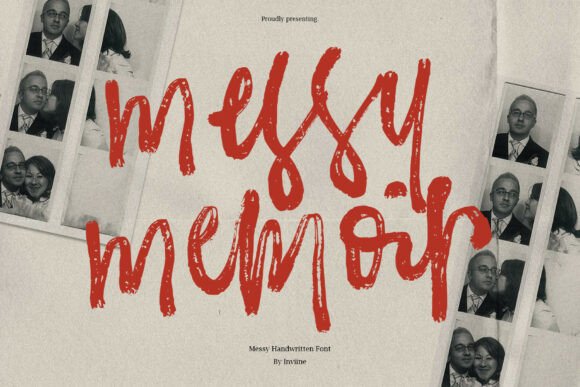
There's a particular quality to a note you find tucked in an old book—slightly faded ink, letters that slant with the urgency of the moment, and a texture that feels undeniably human. That's the essence captured in Messy Memoir, a premium font designed not for sterile perfection, but for authentic expression. This isn't a typeface that sits quietly in the background; it steps forward, carrying the weight of a story, a confession, or a fleeting thought. Its strokes are deliberately uneven, mimicking the natural pressure of a hand moving quickly across paper. The characters connect and disconnect organically, creating a rhythm that feels spontaneous, as if the words are being written in real-time.
What makes Messy Memoir stand out in a sea of digital typefaces is its embrace of imperfection. In an era of crisp vectors and flawless curves, this handwritten font brings a layer of vulnerability. The slight tremor in a line, the ink that pools at the start of a letter—these aren't errors, they're features. They communicate emotion directly, bypassing the need for elaborate explanation. For designers and creators, this presents a powerful tool. When you choose this font, you're not just selecting a style; you're adopting a voice. It’s the voice of a diary entry, a late-night sketch, or a heartfelt letter, making it ideal for projects where connection and emotion are paramount.
Where Authenticity Meets Application
The strength of Messy Memoir lies in its versatility for specific, emotionally charged projects. Consider its role in editorial design. A magazine feature on personal essays, travel journals, or artist profiles comes alive when the typography mirrors the content's intimacy. Pull quotes set in this font can feel like marginalia scribbled by the writer themselves, drawing the reader closer to the narrative. Similarly, in book design, especially for memoirs, poetry collections, or literary fiction, it can be used for chapter titles or section breaks, setting a contemplative and personal tone before the reader even dives into the first paragraph.
For brand identity, this typeface is a strategic choice for businesses built on personal stories and craftsmanship. A small-batch coffee roaster, a ceramicist selling on Etsy, or a boutique bookstore can use Messy Memoir in their logo design and packaging to signal hands-on quality and a human story behind the product. It tells customers, "A real person made this with care." In the digital space, it transforms social media graphics. Instead of generic announcements, a sale or event promoted with this font feels like a personal invitation from a friend. It’s equally effective for web design elements like testimonial sections or "About Me" pages, where building trust through authenticity is key.
Practical Guidance for Pairing and Use
While Messy Memoir is expressive, using it effectively requires some design consideration. Its strength is in display use—headlines, titles, logos, and short bursts of text. Setting a full paragraph in it would quickly sacrifice readability. The key is contrast. Pair it with a clean, neutral sans serif font for body copy. A typeface like Helvetica, Open Sans, or Lato provides a calm, legible foundation that allows the expressive nature of Messy Memoir to shine without overwhelming the viewer. This creates a clear visual hierarchy, guiding the eye from the emotional headline to the informative text.
When evaluating if this creative font fits your project, ask yourself about the desired brand perception. Does the brand value rawness over polish? Story over slickness? If the answer is yes, it’s a strong candidate. Always test it with your actual content. View it at the size it will be used—on a business card, a website banner, or a product label. Check the spacing between letters (kerning) and ensure the natural irregularities don’t create awkward gaps or overlaps that hinder comprehension. Review the full character set; a good premium font will include alternates, ligatures, and extended punctuation to give you flexibility and avoid repetitive letterforms.
Finally, understand the licensing. For commercial projects—whether it's for a client's packaging design, a paid product, or marketing materials—you must ensure the font license permits commercial use. Most commercial font licenses are clear on this, but it's a crucial step to avoid legal issues down the line. Using a font like Messy Memoir is about more than just aesthetics; it’s a deliberate choice to infuse your work with a specific human energy. Used thoughtfully, it can elevate a design from merely looking good to feeling genuinely meaningful.