Indenture English Penman: A Font with Historical Depth
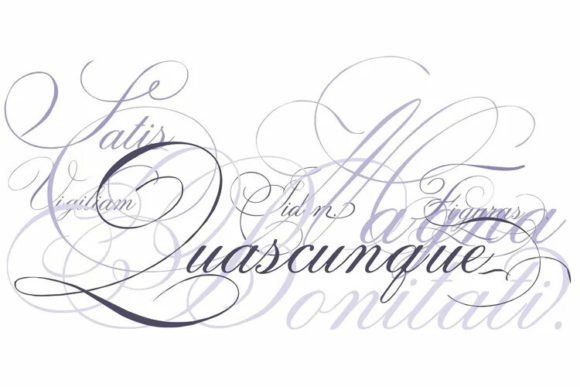
When you need to evoke a sense of history, authenticity, or legal gravitas, the choice of typeface is critical. Indenture English Penman is a specialized premium font designed to meet this exact need. It is not a generic script; it is a carefully researched digital revival based on original English and American indenture contracts from the eighteenth and nineteenth centuries. The font captures the elegant, formal roundhand scripts of the era, complete with paragraph versals in Old English script and an abundance of decorative flourishes. Its design draws direct inspiration from the masterful works of George Bickham, a renowned historical calligrapher, giving it an unparalleled level of authentic character.
A Closer Look at Its Visual Character
The personality of Indenture English Penman is one of formal elegance and intricate detail. As a display font, its primary strength lies in creating impactful headlines, logos, and title treatments where every letter can be appreciated. The base letterforms are fluid and connected, reminiscent of a skilled penman's hand, giving it the warmth of a handwritten font while maintaining a high degree of legibility at appropriate sizes.
What truly sets this typeface apart is its extensive glyph library—over 800 characters. This includes dozens of unique versal (capital) letters for each alphabet character, allowing for stunning typographic variation. Some of these versals are rendered in an Old English script style, offering a different historical texture. Furthermore, the font is packed with hundreds of flourishes. These are not mere decorations; they are tools for creating authentic, ancient-looking documents. You can use them to embellish the beginnings of paragraphs, chapters, or to frame important text, transforming a simple layout into a piece of historical art.
Practical Applications for Modern Projects
Understanding where a creative font like this excels is key to using it effectively. Its strong historical association makes it a perfect candidate for specific niches in brand identity, editorial design, and packaging design.
- Branding & Logo Design: For businesses that want to convey tradition, craftsmanship, or a connection to the past, Indenture English Penman is a powerful asset. Think law firms, heritage brands, bespoke tailors, whiskey distilleries, or historical societies. Used as the primary logotype, it instantly builds a narrative of authenticity and expertise.
- Publishing & Editorial: This font shines in book cover design, especially for historical fiction, legal dramas, or classic literature reprints. It can be used for chapter titles or drop caps to create a immersive reading experience. In magazine layouts, a pull quote set in this typeface adds a dramatic, authoritative touch.
- Packaging & Physical Products: On product labels for artisanal goods—such as fine teas, craft spirits, or gourmet preserves—the font communicates quality and a story. It works beautifully on certificates, awards, and commemorative plaques, lending them an official and timeless feel.
- Digital & Social Media: While primarily a display font, it can be used strategically online. A striking header on a website for a boutique law practice or a special announcement graphic on social media can capture attention and differentiate a brand from the sea of modern, minimalist typography. Its Old English script versals are particularly effective for creating monograms or standout initials.
Integrating the Font into Your Workflow
Adopting a premium font with this level of detail requires a thoughtful approach. Here is practical guidance for designers, marketers, and creators looking to use it.
Evaluating Project Fit: First, ask if the project’s theme aligns with the font’s historical, formal personality. It is a serif font at its core, but of a very specific, script-based variety. It would feel out of place in a tech startup’s branding or a casual children’s book. Its strength is in specificity.
Mastering the Glyphs: To unlock the full potential of Indenture English Penman, you must explore its extensive glyph set. The standard keyboard letters are just the starting point. In design software like Adobe Illustrator or InDesign, open the Glyphs panel (Window > Type > Glyphs). This will reveal all the alternate versals, ligatures, and flourishes. Selecting a capital letter and scrolling through the alternates is how you craft truly unique and authentic-looking text. This process is essential for creating those perfect, ancient document effects.
Font Pairing for Readability: Because Indenture English Penman is so detailed, it is not suited for long body text. Pair it with a clean, highly legible sans serif font or a simple, modern serif font for paragraphs. The contrast allows the display font to command attention without sacrificing overall readability. For example, a clean sans serif like Montserrat or a transitional serif like Baskerville for body copy creates a balanced and professional hierarchy.
Licensing and Commercial Use: As a commercial font, ensure you have the correct license for your project’s scope—whether it’s for a single client, a product line, or web embedding. Review the license agreement provided by the foundry to understand usage rights for print, digital, and merchandise.
Testing and Refinement: Always test the font in context. Set your headlines, experiment with different versals and flourishes, and see how it interacts with other design elements and colors. Its intricate nature can sometimes benefit from slightly increased letter-spacing (tracking) for legibility, especially at smaller display sizes. The goal is to harness its decorative power without creating visual clutter.
In a digital landscape dominated by clean lines and geometric forms, Indenture English Penman offers a compelling alternative. It is more than a typeface; it is a design asset