Delighter: A Script Font That Marries Classic Grace with Modern Clarity
Understanding the Visual Language of Delighter
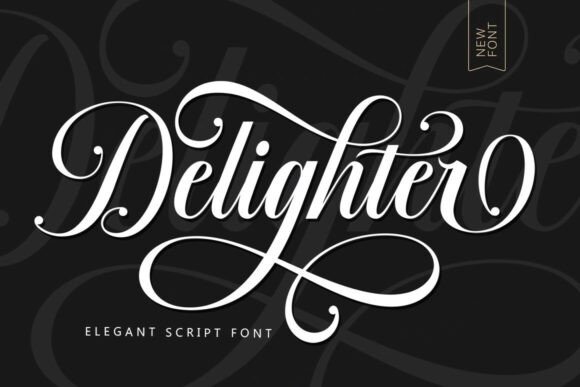
When you first encounter the Delighter typeface, the immediate impression is one of sophisticated elegance. It is not merely another script font; it is a carefully crafted premium font designed to bridge the gap between traditional calligraphy and contemporary modern typography. The defining characteristic of Delighter is its beautiful character variation. Unlike rigid, mechanical typefaces, the letters in this font flow with a natural rhythm, mimicking the subtle inconsistencies of hand-lettering. This organic movement prevents the text from looking sterile, giving your designs a human touch that resonates with audiences.
The personality of this typeface is distinctly feminine and visually appealing, yet it retains a level of cleanliness that ensures professionalism. The fancy letter connections are the engine behind its elegance. These ligatures and swashes are designed to link characters seamlessly, creating a fluid baseline that is easy on the eyes. While many decorative fonts sacrifice legibility for style, Delighter strikes a critical balance. It remains remarkably easy to read, even at smaller sizes, making it a versatile design asset rather than a one-trick pony. The "classic style" mentioned in its description is evident in the structure of the ascenders and descenders, which feel rooted in tradition, while the spacing and weight offer a modern, airy feel.
Strategic Applications: From Brand Identity to Editorial Design
For designers and entrepreneurs, the true value of a creative font lies in its utility. Delighter excels across a wide spectrum of projects, particularly those requiring a touch of luxury or warmth. In the realm of brand identity, this font is a powerhouse. Imagine a beauty brand, a high-end bakery, or a boutique fashion label. Using Delighter for the primary logo or wordmark immediately signals sophistication and care. It tells the customer that the brand values aesthetics and quality before they even read the product description.
Beyond the logo, the font proves its worth in packaging design. On a coffee bag, a candle label, or a cosmetics box, Delighter can elevate a standard product into a gift-worthy item. The visual appeal helps the product stand out on a crowded shelf, engaging customers through aesthetic allure. Similarly, in the digital space, it translates beautifully to social media graphics and web design. Using it for hero section headers or pull quotes on a lifestyle blog adds a layer of editorial sophistication that standard sans-serifs cannot replicate.
The applications extend deeply into the publishing and event industries. For editorial design, such as magazines, novels, or books, Delighter works exceptionally well for chapter titles, drop caps, or pull quotes. It provides a visual break from dense body text, guiding the reader’s eye and establishing a mood. For physical stationery, the use cases are obvious but vital: wedding invitations, greeting cards, and menu design. In a restaurant setting, a menu typeset in Delighter suggests a curated dining experience. The font’s ability to convey emotion makes it ideal for greeting cards, where the typography itself becomes part of the message.
Mastering Readability and Visual Hierarchy
One of the most common pitfalls in using display fonts or handwritten fonts is the destruction of readability. However, Delighter’s design prioritizes clarity. Because of its clean lines and distinct letterforms, it establishes a strong visual hierarchy. When you pair Delighter with a neutral serif font or a clean sans serif font, the contrast naturally draws the viewer’s attention to the most important information—typically the headline or the call to action.
This hierarchy is crucial for audience engagement. In marketing materials, if a headline is illegible, the user bounces. Delighter avoids this by maintaining legibility while still being decorative. It influences brand perception by adding a layer of professionalism; a well-chosen script suggests that a business is established and attentive to detail. For content creators and bloggers, using Delighter for section headers can break up long walls of text, making the content more digestible and encouraging readers to scroll further. It creates a rhythm in your layout that keeps the eye moving.
Practical Guide to Implementation and Pairing
Integrating Delighter into your workflow requires a strategic approach to font pairing. Because Delighter is a script with a lot of personality, it should not be paired with another decorative or overly stylized font. The rule of contrast applies here. A robust serif font like Garamond or a geometric sans serif font like Montserrat provides the perfect grounding for Delighter’s flourish. Use the script for headlines and the plain font for body copy to ensure the message is communicated clearly.
Before finalizing a design, it is essential to review the included styles and features of this commercial font. Delighter often comes with alternates and swashes that can be accessed via OpenType features in software like Adobe Illustrator or Photoshop. Take the time to test these variations. Swapping out a standard "h" for a more elaborate swash version can change the entire vibe of a logo. Always test the font in the specific context where it will be used. A font that looks great on a wedding invitation might look cluttered on a mobile website header.
Finally, consider the practicalities of licensing. As a premium font, Delighter comes with specific usage rights. Ensure you have the appropriate commercial license if you are using it for client work, merchandise, or products for sale. This protects both the designer and the client. By treating Delighter as a strategic component of your design system rather than just a decorative afterthought, you can unlock its full potential to create cohesive, engaging, and professional visual communications.