Doodle Flowers: A Playful Typeface for Handcrafted Designs
In the vast landscape of modern typography, finding a typeface that genuinely captures a sense of warmth and personality can be a challenge. Many designers default to standard sans-serifs for safety, but when a project demands a human touch, you need something with character. Doodle Flowers is a dingbat font that fits this niche perfectly. It is not just a collection of symbols; it is a creative font designed to inject a whimsical, hand-drawn aesthetic into your work. If you are looking to move away from rigid corporate lines and embrace a more organic, artistic vibe, this typeface offers a delightful solution for crafty projects and professional designs alike.
The Visual Appeal: More Than Just a Dingbat
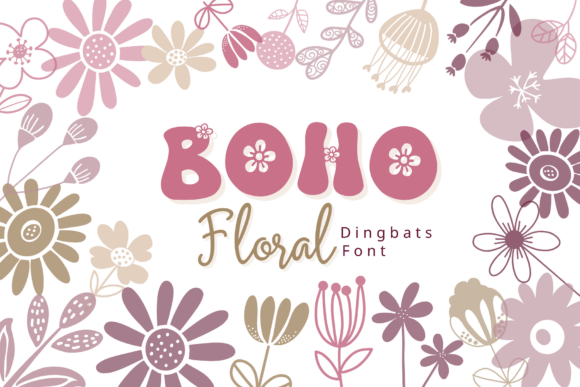
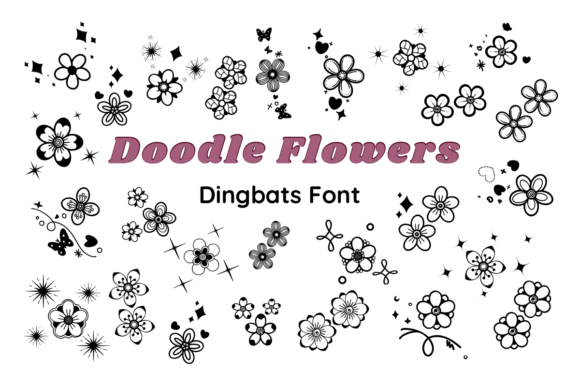
At its core, Doodle Flowers functions as a visual asset library within a single font file. The design language relies on the imperfection and charm of hand-drawing. You will notice organic shapes, varying line weights, and a distinct lack of mechanical precision, which is exactly what gives it its appeal. It acts as a visual shorthand for "handmade" or "curated," making it an excellent tool for projects that need to feel personal and approachable.
Unlike a standard serif font or sans serif font used for body copy, a dingbat font like this is purely decorative. However, its versatility is surprisingly broad. The glyphs typically include a variety of floral elements, stems, leaves, and perhaps some abstract swashes. This allows you to build custom illustrations directly on the page using text. For a graphic designer, this is incredibly efficient. Instead of tracing vector paths or searching for stock design assets, you can type out a border or a corner accent in seconds.
Practical Applications: From Digital to Print
Understanding where to deploy a dingbat font is key to maximizing its value. Doodle Flowers shines in environments where you need to establish a cohesive visual theme without overwhelming the viewer with heavy graphics.
Enhancing Wedding Invitations and Stationery
The wedding industry thrives on romance and detail. Doodle Flowers is ideal for adding delicate flourishes to invitations, RSVP cards, and envelopes. You can use individual characters as small icons next to text or string them together to create a decorative divider between sections. Because the style is consistent, you can easily create a unified look across all stationery elements. It pairs beautifully with a classic script font for headers, adding a touch of whimsy to formal events.
Boosting DIY and Crafts
For the hobbyist and the maker, this font is a game-changer. If you are designing labels for homemade jams, stickers for planners, or graphics for a scrapbook, the hand-drawn style fits seamlessly. It removes the "digital" feel that can sometimes clash with physical crafts. You can use it to create decorations for party favors or even as stencils for painting projects. The scalability of vector fonts ensures that your designs remain crisp whether you print them small for a gift tag or large for a banner.
Digital Presence: Logos and Social Media Graphics
In web design and social media, standing out is difficult. Using Doodle Flowers in your Instagram stories or Pinterest pins can create a recognizable brand aesthetic. For a lifestyle blogger or a small business selling handmade goods, these glyphs can serve as watermarks or background patterns. Regarding logo design, while you wouldn't use a dingbat for the company name, these elements are perfect for creating a brand mark or a "stamp" style logo that conveys authenticity and care.
Strategic Design: Readability and Hierarchy
While Doodle Flowers is visually appealing, it must be used with a strategy regarding visual hierarchy and readability. Because it is a display font in nature, it is not meant for body text. Using it for long paragraphs would be illegible and frustrating for the reader.
Instead, use it to create contrast. If your main content is set in a clean, modern sans-serif, use the doodle elements to break up the text or highlight key points. This helps guide the reader's eye and makes the content more digestible. In editorial design, for example, you might use a flower glyph to mark the start of a new section, replacing a standard bullet point. This subtle detail enhances the reading experience without distracting from the message.
Furthermore, consider the psychological impact on your audience. The "cute theme" of the font triggers an emotional response associated with positivity, nature, and care. For a business, this influences brand perception. It suggests that the brand is friendly and detail-oriented. However, it is essential to match the font with your industry. A law firm might find it too casual, but a florist, a bakery, or a wellness coach would find it perfectly aligned with their brand identity.
Integrating Doodle Flowers into Your Workflow
When adopting a new premium font, testing is crucial. Before finalizing your design, check how the glyphs interact with your primary typeface. A good font pairing balances the personality of the two fonts. Since Doodle Flowers is organic and playful, it pairs well with fonts that are structured but not overly rigid. A geometric sans-serif often provides a nice counterbalance, while a traditional serif can create a vintage feel.
Also, take the time to explore the full character map. Dingbat fonts often include hidden gems—perhaps a set of leaves that can be rotated to form a wreath, or borders that connect seamlessly. By understanding the full range of the font, you unlock its potential for complex packaging design or unique stationery layouts.
Finally, ensure you are aware of the licensing. If you are using Doodle Flowers for commercial products—like selling printed T-shirts or digital templates—you need to verify that the license covers commercial use. Most commercial font licenses are straightforward, but it is always better to be certain. This font is a valuable asset, and using it correctly ensures you can continue to create beautiful, engaging designs for your audience.